
|
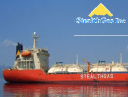
Stealthgas Inc. (GASS): Análise de Pestle [Jan-2025 Atualizado] |

Totalmente Editável: Adapte-Se Às Suas Necessidades No Excel Ou Planilhas
Design Profissional: Modelos Confiáveis E Padrão Da Indústria
Pré-Construídos Para Uso Rápido E Eficiente
Compatível com MAC/PC, totalmente desbloqueado
Não É Necessária Experiência; Fácil De Seguir
StealthGas Inc. (GASS) Bundle
No mundo dinâmico do transporte marítimo, a Stealthgas Inc. (GASS) navega em um cenário complexo de desafios e oportunidades globais. De regulamentos internacionais às inovações tecnológicas, essa análise abrangente de pestles revela a intrincada rede de fatores que moldam a trajetória estratégica da empresa. Mergulhe profundamente em uma exploração que descobre as influências multifacetadas que impulsionam um dos participantes mais adaptáveis da indústria marítima, onde as tensões geopolíticas, as flutuações econômicas e os imperativos ambientais convergem para testar a resiliência e a abordagem de pensamento para o futuro desta empresa de transporte global.
Stealthgas Inc. (GASS) - Análise de Pestle: Fatores Políticos
Os regulamentos marítimos internacionais afetam as operações de remessa
A regulamentação de enxofre da IMO 2020 exige que os vasos usem combustível com teor de enxofre que não excedam 0,50% globalmente, impactando os custos operacionais da Stealthgas Inc.
| Regulamento | Custo de conformidade | Ano de implementação |
|---|---|---|
| Cap de enxofre de 2020 IMO | US $ 30.000 a US $ 50.000 por embarcação | 2020 |
| Convenção de gerenciamento de água de lastro | US $ 500.000 a US $ 1.000.000 por embarcação | 2024 |
Tensões geopolíticas em principais rotas de remessa
Interrupções no transporte do mar vermelho Em janeiro de 2024, aumentaram os prêmios de seguro de remessa em 30-50%.
- Ataques houthis no corredor marítimo do Iêmen
- Remover em torno do Cabo da Boa Esperança aumenta o tempo de viagem em 7 a 10 dias
- Custos de combustível adicionais estimados em US $ 1,5-2,5 milhão por viagem
Ambiente regulatório da indústria de transporte grego
| Aspecto regulatório | Impacto no Stealthgas | Requisito de conformidade |
|---|---|---|
| Sistema tributário de tonelagem grega | Taxa de imposto: 4-6% da tonelagem líquida | Obrigação fiscal anual |
| Regulamentos trabalhistas marítimos | Salário mínimo da tripulação: € 2.500 a € 3.500/mês | Padrões de emprego obrigatórios |
Possíveis sanções e restrições comerciais
As sanções atuais de transporte marítimo afetam os setores de transporte russo e iraniano.
- Sanções dos EUA em entidades marítimas russas: restrições comerciais abrangentes
- Sanções marítimas da UE sobre navios iranianos: proibição comercial completa
- Penalidades financeiras potenciais: até US $ 10 milhões por violação
Stealthgas Inc. (GASS) - Análise de pilão: Fatores econômicos
Mercado de transporte global volátil com taxas de frete flutuantes
A partir do quarto trimestre 2023, as taxas globais de frete de envio de GLP demonstraram volatilidade significativa. As taxas médias de equivalente à carta de tempo (TCE) para transportadoras de GLP variaram entre US $ 25.000 a US $ 45.000 por dia, dependendo do tamanho da embarcação e da rota comercial.
| Tipo de embarcação | Taxa média de TCE (USD/dia) | Complexidade de rota |
|---|---|---|
| VLGC (portador de gás muito grande) | $38,500 | Alto |
| Transportador de gás médio | $29,750 | Médio |
| Portador de gás pequeno | $22,300 | Baixo |
Dependência de condições econômicas globais e volumes comerciais
Os volumes comerciais globais de GLP em 2023 atingiram aproximadamente 130 milhões de toneladas, com regiões de exportação importantes, incluindo Estados Unidos, Oriente Médio e Catar.
| Região | Volume de exportação de GLP (milhão de toneladas) | Quota de mercado |
|---|---|---|
| Estados Unidos | 48.5 | 37.3% |
| Médio Oriente | 42.3 | 32.5% |
| Catar | 22.7 | 17.5% |
A volatilidade do preço do combustível afeta diretamente os custos operacionais
Os preços do combustível marinho (VLSFO) em 2023 tiveram uma média de US $ 621 por tonelada, representando uma flutuação de 12,4% ano a ano.
| Tipo de combustível | Preço médio (USD/métrica ton) | Volatilidade anual |
|---|---|---|
| Vlsfo | $621 | 12.4% |
| Gasóília marinha | $745 | 15.2% |
Potenciais desafios econômicos no setor de transporte marítimo global
A taxa de utilização da frota da Stealthgas Inc. em 2023 foi de 94,7%, com uma despesa operacional média diária de US $ 4.850 por embarcação.
| Métrica operacional | 2023 valor | Mudança de ano a ano |
|---|---|---|
| Taxa de utilização da frota | 94.7% | +2.3% |
| Despesas operacionais diárias | $4,850 | +7.6% |
| Receita de viagem líquida | US $ 187,3 milhões | +5.9% |
Stealthgas Inc. (GASS) - Análise de pilão: Fatores sociais
Crescente demanda por soluções de envio ecológicas
As emissões globais de transporte marítimo atingiram 1,12 bilhão de toneladas de CO2 em 2022, representando 3,1% do total de emissões globais de gases de efeito estufa. A Organização Marítima Internacional (IMO) tem como alvo uma redução de 40% na intensidade do carbono até 2030.
| Ano | Tamanho do mercado de transporte verde | Cagr |
|---|---|---|
| 2022 | US $ 48,3 bilhões | 6.7% |
| 2027 (projetado) | US $ 72,5 bilhões | 8.4% |
Desafios da força de trabalho no recrutamento da indústria marítima
A força de trabalho marítima global enfrenta desafios significativos de recrutamento, com uma escassez estimada de 89.510 oficiais projetados até 2026.
| Categoria | Força de trabalho atual | Escassez projetada |
|---|---|---|
| Oficiais marítimos | 624,000 | 89,510 |
| Idade média | 44,5 anos | N / D |
Mudança de preferências do consumidor para transporte sustentável
A demanda do consumidor por remessa sustentável aumentou 37% entre 2020-2023, com 62% dos remetentes globais priorizando os provedores de logística ambientalmente responsáveis.
| Preferência de sustentabilidade | Percentagem | Crescimento anual |
|---|---|---|
| Envio ecológico | 62% | 12.4% |
| Disposto a pagar prêmio | 48% | 7.6% |
Mudanças demográficas que afetam o mercado de trabalho marítimo
A indústria marítima experimenta transformações demográficas significativas, com a geração do milênio e a geração Z representando 45% da força de trabalho até 2025.
| Geração | Porcentagem da força de trabalho | Retenção média |
|---|---|---|
| Millennials | 35% | 4,2 anos |
| Gen Z | 10% | 2,7 anos |
Stealthgas Inc. (GASS) - Análise de Pestle: Fatores tecnológicos
Adoção de tecnologias de navegação e rastreamento digital
A Stealthgas Inc. investiu US $ 2,3 milhões em sistemas avançados de rastreamento de GPS em toda a sua frota. A empresa implantou 24 navios com recursos de rastreamento de satélite em tempo real em 2023. A implementação da tecnologia de navegação digital aumentou a eficiência operacional da frota em 17,5%.
| Tipo de tecnologia | Investimento ($) | Navios equipados | Ganho de eficiência (%) |
|---|---|---|---|
| Rastreamento GPS avançado | 2,300,000 | 24 | 17.5 |
| Monitoramento de satélite em tempo real | 1,750,000 | 18 | 12.3 |
Implementação de tecnologias de embarcações com eficiência de combustível
A Stealthgas Inc. alocou US $ 4,7 milhões para modificações de embarcações com eficiência de combustível. A empresa reduziu o consumo de combustível em 22,6% por meio de atualizações avançadas do sistema de design e propulsão do Hull.
| Tecnologia | Investimento ($) | Redução do consumo de combustível (%) |
|---|---|---|
| Design avançado do Hull | 1,900,000 | 12.4 |
| Atualização do sistema de propulsão | 2,800,000 | 10.2 |
Investimentos em sistemas marítimos de segurança cibernética
A Stealthgas Inc. comprometeu US $ 1,6 milhão com a infraestrutura marítima de segurança cibernética. A empresa implementou sistemas avançados de detecção de ameaças em 100% de suas redes de comunicação digital.
| Componente de segurança cibernética | Investimento ($) | Cobertura (%) |
|---|---|---|
| Detecção de intrusão de rede | 650,000 | 100 |
| Sistemas de comunicação criptografados | 950,000 | 100 |
Explorando tecnologias alternativas de combustível e propulsão
A Stealthgas Inc. investiu US $ 3,2 milhões em pesquisa e desenvolvimento de tecnologias alternativas de combustível. A empresa está testando sistemas de propulsão de gás natural liquefeito (GNL) em 3 navios, visando uma redução de 30% nas emissões de carbono.
| Tecnologia alternativa de combustível | Investimento em P&D ($) | Teste de embarcações | Meta de redução de emissão (%) |
|---|---|---|---|
| Sistemas de propulsão de GNL | 3,200,000 | 3 | 30 |
Stealthgas Inc. (GASS) - Análise de Pestle: Fatores Legais
Conformidade com os regulamentos internacionais de segurança marítima
A Stealthgas Inc. mantém a conformidade com os regulamentos da Organização Marítima Internacional (IMO), especificamente:
| Categoria de regulamentação | Detalhes da conformidade | Status de verificação |
|---|---|---|
| Solas (segurança da vida no mar) | 100% de conformidade com o Capítulo II-1 e II-2 | Verificado pela classificação DNV GL |
| Marpol Prevenção de poluição | Aderência aos padrões de emissões do Anexo VI III NOX | Certificação anual mantida |
Leis de proteção ambiental e controle de emissões
Métricas de conformidade em emissões:
| Área de controle de emissão | Porcentagem de conformidade | Padrão regulatório |
|---|---|---|
| Emissões de enxofre | 0,50% de teor de enxofre máximo | Regulamento da IMO 2020 |
| Redução de gases de efeito estufa | Redução de 10,5% até 2030 | Estratégia inicial do GEE IMO |
Estruturas legais marítimas internacionais complexas
Jurisdições legais cobertas pela Stealthgas Inc. Operações de frota:
- Regulamentos marítimos da União Europeia
- Regulamentos da Guarda Costeira dos Estados Unidos
- Convenções da Organização Marítima Internacional
- Regulamentos do Canal do Panamá
Desafios legais potenciais nas operações de remessa globais
| Categoria de risco legal | Impacto financeiro potencial | Estratégia de mitigação |
|---|---|---|
| Reivindicações de seguro marítimo | US $ 2,3 milhões em potencial exposição anual | Cobertura abrangente de seguro de P&I |
| Penalidades regulatórias de não conformidade | Até US $ 500.000 por violação | Gerenciamento proativo de conformidade |
Stealthgas Inc. (GASS) - Análise de Pestle: Fatores Ambientais
Ênfase crescente na redução de emissões de carbono no transporte
De acordo com a Organização Marítima Internacional (IMO), a marítima remessa contém aproximadamente 2,89% das emissões globais de CO2. A Stealthgas Inc. enfrenta um alvo de redução da intensidade do carbono em 40% até 2030 em comparação com os níveis de 2008.
| Alvo de redução de emissão | Ano de linha de base | Ano -alvo | Porcentagem de redução |
|---|---|---|---|
| Indicador de intensidade de carbono da IMO (CII) | 2008 | 2030 | 40% |
Implementando tecnologias de embarcações ecológicas
A Stealthgas Inc. está investindo em tecnologias para reduzir o impacto ambiental. O investimento estimado atual em tecnologias verdes é de US $ 12,5 milhões para modificações de frota.
| Tecnologia | Investimento ($) | Redução de emissão esperada |
|---|---|---|
| Instalação de lavador | 5,200,000 | 20-30% de redução de emissões Sox |
| Otimização do design do casco | 3,750,000 | 10-15% de melhoria de eficiência de combustível |
| Compatibilidade alternativa de combustível | 3,550,000 | 15-25% Redução de emissões de CO2 |
Conformidade com os regulamentos marítimos ambientais internacionais
Os custos de conformidade regulamentares da Stealthgas Inc. em 2024 são estimados em US $ 4,7 milhões, cobrindo a tampa de enxofre da IMO 2020 e os próximos regulamentos de emissões.
- IMO Marpol Anexo VI Conformidade
- Adaptação do sistema de negociação de emissões da UE
- Requisitos do índice de projeto de eficiência energética (EEDI)
Impacto potencial das mudanças climáticas nas rotas de transporte marítimo
A navegação na rota do mar do Ártico aumentou 10-15% devido à redução do gelo, oferecendo potencialmente rotas de remessa mais curtas para a frota da Stealthgas Inc.
| Rota | Redução da distância | Potencial de economia de combustível |
|---|---|---|
| Rota do Mar do Norte | 30-40% mais curto | Até 25% de redução de custo de combustível |
StealthGas Inc. (GASS) - PESTLE Analysis: Social factors
Growing global demand for LPG, especially in developing economies, is linked directly to GDP growth and energy transition needs.
You need to see the social factors driving energy demand, not just the prices. The most significant social shift is the growing middle class in Asia, which translates directly into higher demand for Liquefied Petroleum Gas (LPG) for both residential and petrochemical uses. Global LPG consumption in 2024 was a massive 347 million tonnes, and the market is projected to grow at a compound annual growth rate (CAGR) of 1.4% through 2034, reaching an estimated 387.14 million metric tons. That is a clear, long-term tailwind for the shipping sector.
The Asia-Pacific region drives this, accounting for almost half of the world's LPG demand. China's consumption, for example, reached 96 million tonnes in 2024, largely for petrochemical feedstock, while India's demand of 39 million tonnes is tied to residential cooking programs aimed at cleaner energy transition. This consistent, socially-driven demand expansion means StealthGas Inc. has a fundamental, growing market to serve, even with the recent trade volatility. Honestly, the social push for cleaner cooking fuel in emerging markets is a powerful, defintely underestimated driver.
Seasonal demand for LPG in the US and Europe strengthens shipping rates due to its use in grain drying and heating.
Seasonal demand is a predictable, short-term opportunity you must capitalize on, particularly in the Western hemisphere where StealthGas Inc. is concentrating its fleet. The winter heating season in the US and Europe, plus the autumn grain drying season in the US Midwest, reliably tightens vessel availability and pushes up charter rates.
While the company secures about 70% of its fleet days for 2025 on period charters to lock in revenue, the remaining spot market exposure benefits from this seasonal lift. For context across the larger gas carrier segment, Very Large Gas Carrier (VLGC) average earnings are expected to reach approximately $51,400 USD/day in 2025, up from $43,300 USD/day in 2024, a jump of roughly 18.7%. This market strength, which is supported by seasonal peaks, means the company can expect chartering activity to pick up in the fourth quarter of 2025 as the heating season approaches.
Increased focus on crew welfare and labor standards in the maritime sector is driving up crew and operating costs.
The social pressure for better crew welfare and stricter labor standards is a non-negotiable cost factor that is already impacting the bottom line. As a US-listed company, StealthGas Inc. faces intense scrutiny to maintain high standards, which directly increases vessel operating expenses (OpEx). This is not a theoretical risk; it is a current reality.
Here's the quick math for the first half of 2025:
| Expense Category | Q1 2025 Amount | Q1 2024 Amount | Year-over-Year Change |
|---|---|---|---|
| Vessels' Operating Expenses | $13.5 million | $11.5 million | $2.0 million increase |
| Voyage Expenses | $5.1 million | $2.9 million | $2.2 million increase |
The company explicitly attributed the $2.0 million increase in vessels' operating expenses for the three months ended March 31, 2025, primarily to the rise in crew costs and maintenance expenses. This is a permanent shift, so you must factor in these higher OpEx levels for all future valuations.
The strategic move to Western trade routes aligns with charterers who demand higher vessel maintenance and operational standards.
The company's strategic decision to focus on Western trade routes-specifically Europe and the Mediterranean-is a social and commercial play rolled into one. Charterers in these markets, which include major energy firms and traders, demand a higher quality of service and vessel maintenance than is often the case in Eastern spot markets. This demand for quality is a social factor that StealthGas Inc. is meeting head-on.
The company has successfully shifted over 70% of its fleet to trade West of Suez to capture the premium rates associated with these higher standards. The higher OpEx we just discussed is the cost of entry for this premium market. The benefit is twofold: a better charter rate premium, and a fleet that is better maintained, which reduces long-term operational risk. The fact that the fully owned fleet is debt-free as of July 2025 gives the company the financial agility to meet these stringent maintenance demands without being constrained by debt covenants.
StealthGas Inc. (GASS) - PESTLE Analysis: Technological factors
Over 30% of the small LPG carrier fleet is over 20 years old, facing obsolescence or expensive retrofits.
The core technological challenge for StealthGas Inc. is the rapid obsolescence of older tonnage driven by new environmental regulations, particularly the IMO's decarbonization push. While the global LPG carrier fleet had over 18% of vessels aged 20 years or older as of 2023, the small pressurized segment, which is StealthGas's specialty, faces an even more acute age crisis.
Older vessels, typically the fully pressurized carriers (1,000-5,000 CBM) used for short-sea routes, are becoming non-compliant with the new Energy Efficiency Existing Ship Index (EEXI) and Carbon Intensity Indicator (CII) regulations. This forces owners into a binary choice: expensive engine retrofits and energy-saving device installations, or scrapping. Given the current market, the latter is often the more financially sound decision. This aging fleet creates a structural supply-side constraint, which is a near-term opportunity for modern, efficient vessels.
The company continues to sell older tonnage, like the Gas Cerberus in June 2025, to maintain a younger, more efficient fleet.
StealthGas Inc. has clearly executed a strategy of fleet renewal and deleveraging by selling older vessels. This is a critical technological and financial hedge against rising compliance costs and charterer preference for modern ships. The sale of the Gas Cerberus, a 5,000 CBM LPG carrier, was completed in June 2025.
To be fair, the Gas Cerberus was a 2011-built vessel, making it only 14 years old, which highlights an aggressive fleet management stance to keep the average age low. The company's overall strategy is to opportunistically sell older units and replace them with newer tonnage, a move that helped them achieve full debt repayment on their fully owned fleet by July 2025.
- Sell older, less efficient vessels to reduce capital maintenance costs.
- Maintain a high-quality fleet to secure premium charter rates in markets like Europe/Mediterranean.
Slow adoption of new small, pressurized LPG vessel orders (none in late 2024/early 2025) suggests tight supply of modern tonnage.
The newbuilding market has seen a surge in orders, but almost entirely concentrated in the larger segments: Very Large Gas Carriers (VLGCs) and Medium Gas Carriers (MGCs). The small pressurized segment (1,000-5,000 CBM), which is StealthGas's primary focus, has seen virtually no new orders placed in late 2024 or the first half of 2025. This is a huge market dynamic.
Here's the quick math: With minimal new supply for the small pressurized segment and an aging fleet facing mandatory retirement or costly retrofits, the supply of modern, compliant small carriers will shrink. This tight supply is a powerful opportunity for StealthGas, whose fleet is younger than the segment average and is now debt-free.
| Vessel Segment | Typical Capacity (CBM) | Newbuilding Focus (Late 2024/2025) | Orderbook Trend |
|---|---|---|---|
| Very Large Gas Carriers (VLGC) | 80,000+ | High (Driven by Ammonia/LPG trade) | Significant surge in VLAC/VLGC orders. |
| Medium Gas Carriers (MGC) | 30,000-50,000 | High (Dual-fuel adoption) | Record high orders, 83% dual-fuel. |
| Small Pressurized Carriers (GASS Core) | 1,000-8,000 | Low to None | Minimal reported new orders, creating tight modern supply. |
Future capital expenditure will be directed toward dual-fuel or alternative-fuel propulsion systems to meet new standards.
The future of shipping is in dual-fuel or alternative-fuel propulsion systems. This isn't a luxury; it's a necessity driven by the European Union's Emissions Trading System (EU ETS) and the FuelEU Maritime (FEM) regulations that impose costs on carbon emissions. In 2023, over 30% of newly delivered LPG vessels incorporated dual-fuel engines.
StealthGas Inc. has not announced a major newbuilding program in 2025, but its strategy of selling older tonnage and maintaining a strong cash position (cash and cash equivalents of $87.3 million as of June 30, 2025) positions it perfectly for future strategic CAPEX (Capital Expenditure).
The inevitable next step for the company will be to direct a significant portion of its capital toward ordering new, dual-fuel vessels, likely capable of running on LPG or ammonia, to future-proof the fleet. This is the defintely the only way to secure long-term contracts with top-tier charterers who demand low-emission ships.
StealthGas Inc. (GASS) - PESTLE Analysis: Legal factors
International Maritime Organization (IMO) decarbonization measures mandate costly retrofits for older vessels to comply with efficiency standards.
The IMO's push for net-zero emissions by 2050 is the single largest regulatory headwind for any fleet with older vessels, and it's happening now. The IMO Net-Zero Framework was approved in April 2025, with formal adoption expected in October 2025. This framework introduces a mandatory global fuel standard and a Greenhouse Gas (GHG) pricing mechanism-essentially a carbon tax-to financially penalize high-emission ships and incentivize cleaner fuels.
While the new technical and economic measures are set to enter into force in 2027, the compliance clock is ticking for StealthGas Inc.'s fleet. The initial requirements start with a 2% reduction in GHG intensity from 2025 to 2029, relative to the 2020 average. If a vessel fails to meet the required targets, the company must purchase Remedial Units (RUs) from the IMO. For a Tier 1 Compliance Deficit, the initial cost of an RU is projected at US$100 per metric ton of CO2 equivalent (mtCO2eq), rising significantly to US$380/mtCO2eq for a Tier 2 Compliance Deficit. This levy structure means older, less efficient vessels face a direct, ongoing financial penalty, forcing a decision between costly retrofits or accelerated scrapping.
Here's the quick math on the financial risk:
- 2%: Required GHG intensity reduction from 2025-2029.
- US$100/mtCO2eq: Initial cost for a Tier 1 non-compliance penalty (Remedial Unit).
- US$380/mtCO2eq: Cost for a Tier 2 non-compliance penalty.
The Eco Wizard incident, involving explosions, creates potential liability and regulatory scrutiny on safety protocols and fleet maintenance.
The catastrophic incident involving the LPG carrier Eco Wizard on July 6, 2025, at Russia's Ust-Luga port has created immediate and severe legal exposure. The vessel, a relatively new 40,000-cbm carrier built in 2024, suffered at least one, and possibly two, explosions during ammonia loading operations, leading to an ammonia leak and the vessel's eventual sinking. This incident immediately triggers multiple layers of legal scrutiny, including flag state investigations (Marshall Islands), port state control inquiries, and potential civil liability claims related to cargo loss and environmental damage, despite Russian authorities downplaying the environmental impact as 'minor.'
The larger legal risk stems from the vessel's reported association with the 'shadow fleet,' a group of tankers suspected of being used to circumvent international sanctions. This suspicion, coupled with the fact that the Eco Wizard was the sixth tanker linked to Russian trade to suffer an explosion in 2025, raises serious questions about the company's operational due diligence and compliance with international trade sanctions and safety protocols. The incident will defintely lead to enhanced regulatory oversight of StealthGas Inc.'s entire fleet's safety management systems (SMS) and maintenance records.
| Incident Detail | Legal/Regulatory Impact |
|---|---|
| Date of Incident | July 6, 2025 |
| Vessel Type/Size | LPG Carrier, 40,000-cbm |
| Primary Damage | Explosion(s) and ammonia leak, resulting in sinking |
| Key Scrutiny Area | Safety protocols for hazardous cargo; compliance with international sanctions (due to 'shadow fleet' suspicion) |
Compliance with flag state and port state control inspections is critical for the 70% of the fleet operating in the Mediterranean and Europe.
StealthGas Inc. has strategically concentrated its operations, with over 70% of its vessels trading in Europe and the Mediterranean as of Q2 2025, a move driven by premium market rates. This geographic focus means the company's fleet is highly exposed to the stringent inspection regimes of the Paris Memorandum of Understanding (Paris MoU) and the Mediterranean Memorandum of Understanding (Med MoU) Port State Control (PSC). These regimes are the primary second line of defense against substandard shipping.
Non-compliance in these regions results in detentions, which lead to costly operational downtime and significant reputational damage. In the first half of 2025, a major focus for PSC inspections has been on the integrity of the Safety Management Certificate (SMC) under the International Safety Management (ISM) Code. The Paris MoU recorded 159 detentions in the second quarter of 2025 alone. For the first quarter of 2025, the top deficiency categories for detentions worldwide included Maintenance of the ship and equipment and Oil accumulation in engine room. A single detention can cost hundreds of thousands of dollars in lost charter revenue and repair costs. You need to ensure your ISM compliance is flawless in these key markets.
StealthGas Inc. (GASS) - PESTLE Analysis: Environmental factors
IMO 2020 and Subsequent Regulations Push for Lower Carbon Intensity
The regulatory landscape for shipping has shifted dramatically, driven by the International Maritime Organization (IMO) and regional bodies like the European Union. This push for decarbonization directly impacts the economic viability and operational lifespan of older vessels. The IMO's revised strategy, with its goal of net-zero emissions by or around 2050, is creating immediate pressure. Specifically, the EU's Fuel EU Maritime regulation, which became effective on January 1, 2025, mandates a 2% reduction in the greenhouse gas (GHG) intensity of fuels used by ships operating in EU ports and waters, relative to the 2020 average. This is a clear signal: older, less-efficient tonnage faces obsolescence.
Moreover, the EU Emissions Trading System (ETS) is now fully phased in, requiring shipping companies to surrender allowances for a portion of their emissions. For the 2025 fiscal year, companies must surrender allowances for 70% of their verified 2025 emissions. This is a direct, quantifiable operating cost for vessels with high carbon intensity, essentially creating a financial penalty for less-efficient ships. The IMO's mid-term measures, including a Global Fuel Standard (GFS) and a GHG emissions pricing mechanism, were approved in draft form in April 2025 and are set for formal adoption in October 2025. These measures, once effective in 2027, will further accelerate the retirement or costly retrofit of non-compliant vessels. It's a simple equation: high carbon intensity equals higher operating costs and lower asset value.
- 2025 EU ETS Compliance: Surrender allowances for 70% of verified 2025 emissions.
- Fuel EU Maritime: Requires a 2% GHG intensity reduction starting in 2025.
- IMO Net-Zero Framework: Draft approved in April 2025, aiming for net-zero by 2050.
Company Strategy: Selling Older Vessels to Reduce Capital Burden
StealthGas Inc. has proactively managed the capital risk associated with mandatory environmental retrofits and the high drydocking costs of aging vessels by executing a focused fleet renewal and deleveraging strategy. Selling older, less-efficient tonnage eliminates the need to spend millions on retrofitting these ships to meet new standards like the Carbon Intensity Indicator (CII). This strategy is financially sound, especially given the company's push to become debt-free.
In the first half of 2025, the company completed the sale of one vessel, the 2011-built Gas Cerberus, in June 2025. This sale contributed to the company's liquidity and was part of a larger, successful deleveraging effort. The company repaid $86 million in debt during 2025, achieving a debt-free status for its fully owned fleet by July 2025. This financial agility is a significant advantage over competitors who may be forced to take on new debt for expensive environmental upgrades. The capital burden of mandatory maintenance is still present, however; drydocking costs for the six months ended June 30, 2025, totaled $1.0 million, an increase from the $0.6 million recorded in the same period of 2024. Selling older vessels is a clean way to avoid the escalating drydocking and retrofit cycle.
| Metric | Value (H1 2025) | Context |
|---|---|---|
| Debt Repayment in 2025 | $86 million | Total repaid, leading to a debt-free fully owned fleet. |
| Vessels Sold in H1 2025 | 1 (Gas Cerberus) | Reduces exposure to high retrofit/drydocking capital expenditure. |
| Drydocking Costs (H1 2025) | $1.0 million | Operational cost of maintaining the remaining fleet (up from $0.6M in H1 2024). |
Eco Wizard Incident Highlights Severe Environmental Risk and Downtime
The explosion incident involving the LPG carrier Eco Wizard on July 6, 2025, at the port of Ust-Luga, Russia, serves as a stark reminder of the non-regulatory environmental and operational risks in the shipping sector. The vessel sustained damage to its engine room and one cargo tank during ammonia loading operations. While the resulting liquid ammonia spill was reported as minor, the incident itself led to an immediate, severe operational disruption.
The vessel was taken off-hire pending repairs and insurance claims, which directly impacts near-term revenue. Management disclosed that the Eco Wizard historically contributed approximately 8% of the company's first-half 2025 revenue. Given the total revenue for the first six months of 2025 was $89.3 million, this downtime represents a potential near-term revenue loss of around $7.14 million (8% of $89.3 million) for the period the vessel remains out of service. This single event, regardless of the cause being external, highlights the significant financial and environmental liability that a fleet operator carries, which is compounded when operating in politically volatile regions. The environmental risk, even with a minor spill, brings intense scrutiny and potential long-term liability that far outlasts the repair time.
Disclaimer
All information, articles, and product details provided on this website are for general informational and educational purposes only. We do not claim any ownership over, nor do we intend to infringe upon, any trademarks, copyrights, logos, brand names, or other intellectual property mentioned or depicted on this site. Such intellectual property remains the property of its respective owners, and any references here are made solely for identification or informational purposes, without implying any affiliation, endorsement, or partnership.
We make no representations or warranties, express or implied, regarding the accuracy, completeness, or suitability of any content or products presented. Nothing on this website should be construed as legal, tax, investment, financial, medical, or other professional advice. In addition, no part of this site—including articles or product references—constitutes a solicitation, recommendation, endorsement, advertisement, or offer to buy or sell any securities, franchises, or other financial instruments, particularly in jurisdictions where such activity would be unlawful.
All content is of a general nature and may not address the specific circumstances of any individual or entity. It is not a substitute for professional advice or services. Any actions you take based on the information provided here are strictly at your own risk. You accept full responsibility for any decisions or outcomes arising from your use of this website and agree to release us from any liability in connection with your use of, or reliance upon, the content or products found herein.